

GLOBAL TRADE & INVESTMENT

On 3 September 2026, the Government of Vietnam issued Decree No. 342/2026/ND-CP (“Decree 342”), introducing a new regulatory framework for goods trading and activities directly related to goods trading by foreign investors and foreign-invested economic organisations (“FIEs”) in Vietnam.

Resolution No. 20/2026/QH16 dated 23 April 2026 of the National Assembly on coordination mechanisms and special policies to improve the effectiveness of preventing and resolving international investment disputes (“Resolution 20”), effective from 1 May 2026
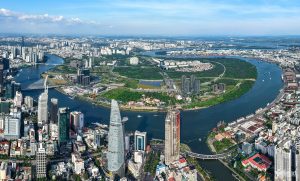
Vietnam is entering a critical transitional phase in the development of its International Financial Centres (IFCs), as policy priorities shift from institutional design toward practical implementation and operation. This direction reflects the Government’s ambition to strengthen Vietnam’s integration into international capital flows and enhance the country’s position within the regional financial architecture.
Việt Nam đang bước vào giai đoạn chuyển tiếp quan trọng trong tiến trình xây dựng Trung tâm Tài chính Quốc tế (International Financial Centre – IFC), khi trọng tâm chính sách không còn dừng ở việc thiết kế mô hình mà đã chuyển sang yêu cầu vận hành trên thực tế. Định hướng này phản ánh quyết tâm của Chính phủ trong việc thúc đẩy hình thành một cấu trúc tài chính có khả năng kết nối sâu hơn với dòng vốn quốc tế và nâng cao vị thế của Việt Nam trong chuỗi tài chính khu vực.

Hiện nay, các cơ quan có thẩm quyền đang tiến hành lấy ý kiến đối với dự thảo khung pháp lý điều chỉnh việc thành lập và hoạt động của công ty quản lý tài sản và quỹ đầu tư trong phạm vi Trung tâm Tài chính Quốc tế Việt Nam (Vietnam International Financial Center – IFC). Dự thảo đề xuất các quy định liên quan đến cơ cấu quản trị, yêu cầu về vốn, cơ chế vận hành cũng như thủ tục đăng ký quỹ.
Currently, the competent authorities are soliciting comments on a draft regulatory framework governing the establishment and operation of Asset Management Companies and Investment Funds within the Vietnam International Financial Center. The draft proposes requirements relating to governance structure, capital adequacy, operational arrangements, and fund registration procedures
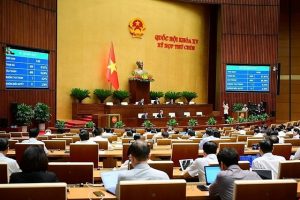
Luật Đầu tư năm 2025 (“Luật Đầu tư 2025”), được Quốc hội thông qua và có hiệu lực từ ngày 01/3/2025, đã đưa ra nhiều cải cách đáng chú ý đối với khung khổ pháp lý về đầu tư tại Việt Nam. Luật mới hướng tới mục tiêu đơn giản hóa thủ tục hành chính, nâng cao hiệu quả quản lý nhà nước và tạo điều kiện thuận lợi hơn cho hoạt động đầu tư của cả nhà đầu tư trong nước và nước ngoài.

In the course of developing an International Financial Centre (IFC) in Vietnam, international cooperation carries significance far beyond technical assistance or investment support. It also plays a important role in shaping institutional thinking and operational standards. From that perspective, the UK–Vietnam Open Conference on the International Financial Centre 2026, held in Ho Chi Minh City on 25 March 2026, should be regarded as a noteworthy policy event. The conference was jointly organised by the British Consulate-General in Ho Chi Minh City, the British Chamber of Commerce Vietnam (BritCham), and Dragon Capital, under the overarching theme of “Financial Market Infrastructure.”
Trong tiến trình xây dựng Trung tâm tài chính quốc tế tại Việt Nam, hợp tác quốc tế không chỉ có ý nghĩa hỗ trợ về kỹ thuật hay đầu tư, mà còn đóng vai trò quan trọng trong việc định hình tư duy thể chế và chuẩn mực vận hành. Theo hướng đó, Hội thảo mở Anh – Việt về Trung tâm Tài chính quốc tế 2026, tổ chức tại Thành phố Hồ Chí Minh ngày 25/3/2026, là một sự kiện có ý nghĩa chính sách đáng chú ý. Hội thảo do Tổng Lãnh sự quán Anh tại Thành phố Hồ Chí Minh, Hiệp hội Doanh nghiệp Anh tại Việt Nam (BritCham) và Dragon Capital phối hợp tổ chức, với chủ đề xuyên suốt là “Hạ tầng thị trường tài chính”.


