


Newly Published
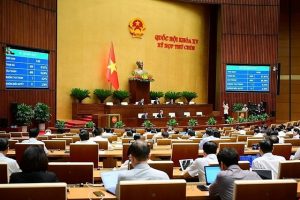
VIETNAM ABOLISHES 56 CONDITIONAL BUSINESS LINES: WHAT IT MEANS FOR FOREIGN INVESTORS AND ENTERPRISES
On May 15 the Vietnamese government issued resolution no. 66.17/2026/nq-cp, marking a significant deregulation effort. The directive reduces and amends conditional business investment lines, bringing the total number of "conditional" sectors down from 198 to 142. The resolution takes effect from July 1 and will remain in force until late February 2027.
Ngày 15/5/2026, Chính Phủ ban hành Nghị quyết số 66.17/2026/NQ-CP về cắt giảm, sửa đổi nghành nghề đầu tư kinh doanh có điều kiện, có hiệu lực thi hành kể từ ngày 01 tháng 7 năm 2026 đến hết ngày 28 tháng 02 năm 2027, giảm tổng số ngành nghề kinh doanh "có điều kiện" từ 198 xuống còn 142.
On 7 April 2026, the Government issued Decree No. 137/2026/ND-CP governing multi-level marketing (“Decree 137”). Effective from 1 July 2026, Decree 137 replaces Decree No. 40/2018/ND-CP (“Decree 40”) and simultaneously repeals Article 25 of Decree No. 55/2024/ND-CP, as well as Article 48 and Appendix XIV of Decree No. 146/2025/ND-CP.

On 15 May 2026, the Government officially promulgated Decree No. 174/2026/ND-CP, which provides administrative sanctions in the fields of postal services, telecommunications, radio frequencies, electronic transactions, and information technology (the “Decree 174”). The Decree replaces previous regulatory provisions and establishes a comprehensive and stringent enforcement framework comprising both substantial monetary penalties and severe operational suspension measures. These sanctions are expected to have a direct and significant impact on technology enterprises, digital content providers, online service operators, and network infrastructure providers.
Ngày 07/04/2026, Chính phủ đã ban hành Nghị định số 137/2026/NĐ-CP điều chỉnh hoạt động kinh doanh theo phương thức đa cấp (“Nghị định 137”). Nghị định số 137/2026/NĐ-CP định này có hiệu lực từ ngày 01/07/2026, thay thế Nghị định số 40/2018/NĐ-CP (“Nghị định 40”) và đồng thời bãi bỏ hiệu lực của Điều 25 Nghị định 55/2024/NĐ-CP cũng như Điều 48 và Phụ lục XIV Nghị định 146/2025/NĐ-CP.
Ngày 15 tháng 05 năm 2026, Chính phủ đã chính thức ban hành Nghị định 174/2026/NĐ-CP, quy định về xử phạt vi phạm hành chính trong các lĩnh vực: bưu chính, viễn thông, tần số vô tuyến điện, giao dịch điện tử và công nghệ thông tin (sau đây gọi tắt là “Nghị định 174”). Văn bản này thay thế các quy định cũ, thiết lập một hệ thống chế tài nghiêm khắc bao gồm cả phạt tiền và các biện pháp đình chỉ hoạt động quyết liệt, trực tiếp tác động đến các doanh nghiệp công nghệ, nội dung số và hạ tầng mạng. Bài viết sẽ nêu ra mức xử phạt đối với một số hành vi liên quan bảo vệ dữ liệu cá nhân, an ninh mạng, sử dụng mạng Internet và các hanh vi liên quan mật mã dân sự, ứng dụng mạng xã hội.

On May 21, 2026, the Government officially issued Decree No. 180/2026/ND-CP regulating forest carbon sequestration and storage services, effective from July 15, 2026. This is a landmark milestone, laying the first solid legal brick for the shaping, operation, and commercialization of forest carbon credits in Vietnam.
Ngày 21/05/2026, Chính phủ đã chính thức ban hành Nghị định số 180/2026/NĐ-CP quy định về dịch vụ hấp thụ và lưu giữ các-bon của rừng có hiệu lực thi hành từ tháng 15/07/2026. Đây là cột mốc mang tính bước ngoặt, đặt viên gạch pháp lý vững chắc đầu tiên cho việc định hình, vận hành và thương mại hóa tín chỉ carbon rừng tại Việt Nam.

Vào ngày 21 tháng 5 năm 2026, Bộ Tài chính đã chính thức ban hành Quyết định số 1222/QĐ-BTC. Đây là một quy định mang tính cột mốc nhằm tái cấu trúc các thủ tục hành chính đối với chế độ thai sản bằng cách thay thế hoàn toàn các thành phần hồ sơ giấy truyền thống bằng dữ liệu quốc gia tích hợp.


